

Franchise operational business models
Profitable networks rely on symbiotic relationships between franchisor systems and licensee execution, creating a scalable ecosystem where standardized compliance drives mutual profitability across diverse markets.

Standardized operating procedures
Operations manuals provide the blueprint for replicating service quality and ensuring process consistency daily.

Brand equity protection
Adhering to trademark guidelines preserves the collective reputation and consumer loyalty of the network.

Franchisor strategic support systems
Ongoing mentorship and logistical assistance empower local owners to navigate economic shifts effectively.

Selecting a viable business concept
Due diligence determines long-term viability, requiring deep analysis of market saturation, profitability potential, and the intrinsic alignment between the franchise model and personal management style.

QSR, fast food and cafes
Opening a catering franchise allows investors to leverage culinary brand recognition and attract a loyal customer base with high-demand menus.
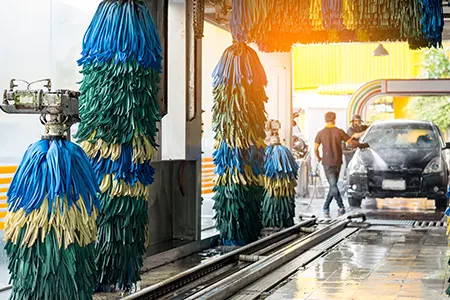
Automotive and mobility
Automotive repair centers, car washes, and garages facilitate access to reliable, reputable vehicle maintenance services.

Tourism, hospitality and leisure
Booking agencies, hotels, and recreational gyms allow owners to capitalize on global brand recognition and existing networks.
Securing initial startup capital
Acquiring financing involves presenting a robust business plan to bank lenders, highlighting lower risk profiles, while calculating personal contribution requirements and total investment costs including entrance fees.
Orchestrating the commercial launch
The pre-launch phase demands rigorous project management, coordinating commercial lease improvements, stock procurement, and hiring to ensure the physical location reflects brand standards.

Premises and site selection
Catchment area and visibility analysis determine the optimal physical location for maximum customer conversion.

Central purchasing setup
Establishing accounts with referenced suppliers guarantees timely delivery of inventory and proprietary materials.

Staff training protocols
Comprehensive transfer of know-how equips teams with necessary skills to deliver brand-standard service.
Daily unit management strategies
Effective leadership focuses on monitoring turnover and margin KPIs, while fostering a positive workplace culture that reduces staff attrition and enhances customer experience through consistent service delivery.

Scaling via multi-franchising
Once the initial unit stabilizes, strategies shift toward network expansion, requiring advanced delegation and broader financial oversight.

Multi-site infrastructure
Managing several locations necessitates hiring area managers to oversee operations and maintain compliance standards.

Local communication optimization
Tailoring promotional campaigns to specific catchment areas increases relevance and drives repeat business locally.

Franchisee network leveraging
Collaborating with other licensees allows for sharing best practices and collective problem-solving.
Continuous vocational training
Evolving with market trends
Staying competitive requires education on market shifts, utilizing annual seminars to influence network direction while adapting strategies to meet consumer behaviors. Access resources designed to streamline operations and support sustainable franchise growth across various sectors.